

Over 25 million people last year took animal products out of their diet for the month of January with around 25–30% are still fully vegan six months later. Veganuary is a popular global campaign, with around 80% of participants continuing to significantly reduce their consumption of animal products months after the challenge ends. But why?
The number one reason people choose veganism is concern for animal welfare, followed by health and environmental reasons, but while it might sound nice in theory to stop contributing to the meat and dairy industries, do the benefits outweigh the downsides? What are the real implications of this modern understanding of diet and how it impacts the world around us?
We think that what we eat is personal choice, taste, culture or convenience. But food is land, water, labour, politics, capitalism and ethics made visible on a plate. Today, meat and dairy production sit at the centre of climate breakdown, biodiversity loss, chronic disease, global hunger and systemic exploitation. And reducing our consumption of animal products is a scientifically supported response to a system that is causing widespread harm.
So, what do we do about that? First, we need clarity. When the evidence is examined honestly, reducing meat and dairy emerges as one of the most meaningful changes individuals and societies can make, for not just the animals themselves, but for us and the planet.
Climate Change & the Cost of Animal Agriculture
The UN Food and Agriculture Organisation says that livestock production accounts for 14-15% of total global emissions, a figure that exceeds the emissions from the entire transportation sector. This figure includes methane from ruminant digestion, nitrous oxide from manure and fertilisers and carbon dioxide from land use change and fossil fuel inputs. What’s key to know here is that over a 20-year timeframe, methane traps heat at more than 80 times the rate of carbon dioxide, contributing significantly to global warming. Because cattle farming is the single largest human source of methane emissions, reducing the agri-industry is one of the fastest ways to slow near-term global warming.
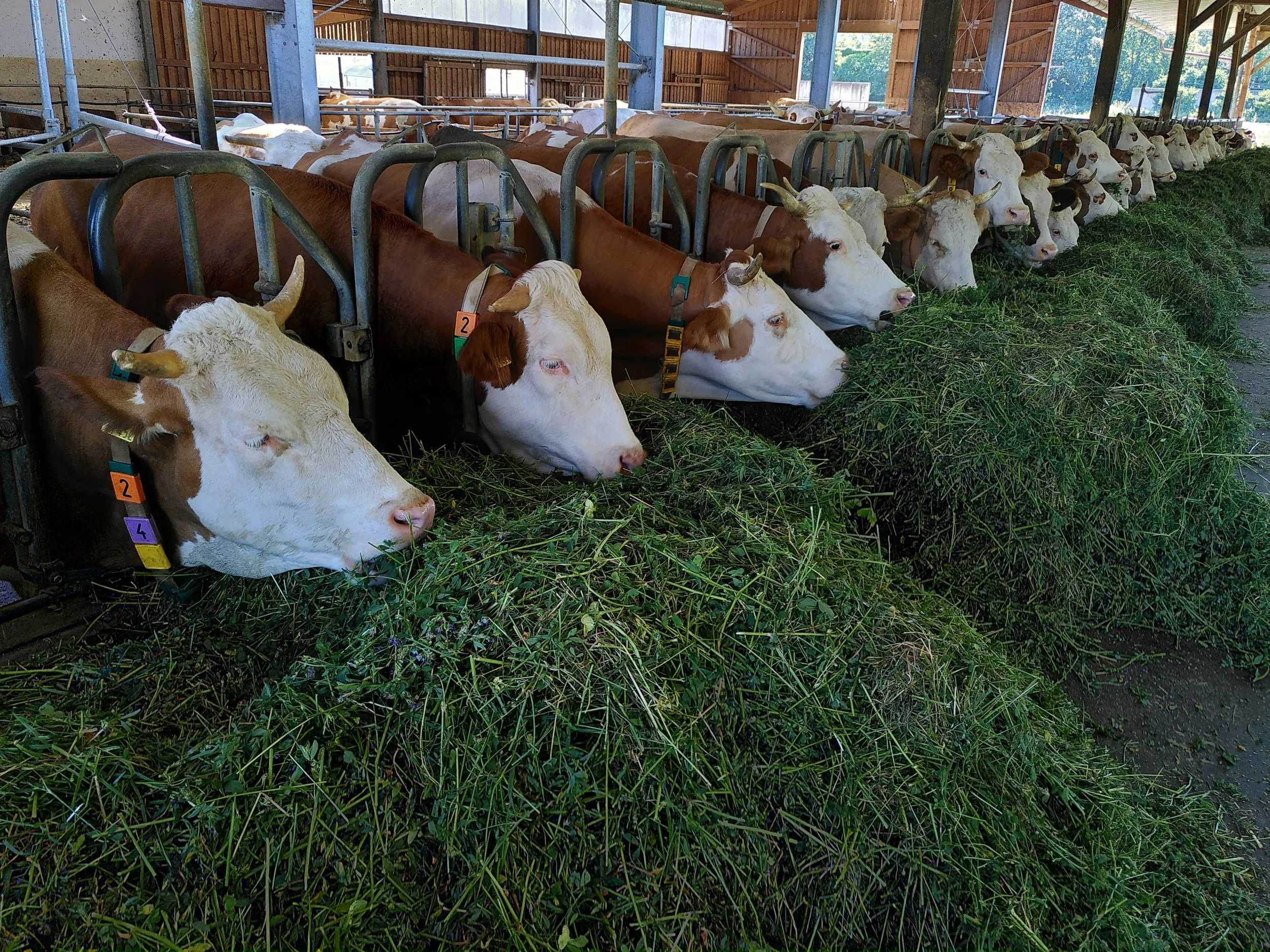
“Over 20 years methane traps heat at more than 80 times the rate of carbon dioxide, contributing significantly to global warming. Reducing the agri-industry is one of the fastest ways to slow near-term global warming.”
How we use land, to raise cattle, intensifies the negative impact of this industry. Around 77% of global agricultural land is used for livestock grazing or growing feed crops, but animal products provide only about 18% of global calories. This inefficiency also drives deforestation, particularly in the Amazon basin, where forests are cleared not to feed people directly but to produce soy for livestock. The consequences include biodiversity collapse, carbon release and the destruction of Indigenous land stewardship.
Water Use & Ecological Stress
Animal agriculture is among the most water-intensive human activities. Producing meat and dairy requires water for growing feed crops, animal hydration and facility sanitation and beef and dairy have particularly large water footprints compared to plant-based foods.
As climate change intensifies droughts and water scarcity, this level of consumption becomes increasingly unsustainable. Over-extraction of groundwater and competition for water between agriculture, ecosystems and communities are already sources of conflict in many regions.
Feeding Animals Instead of People
More than a third of all grain grown globally is fed to livestock. This is not because humans cannot eat these crops but because feeding them to animals is profitable within our existing economic structures. At the same time, hundreds of millions of people experience chronic food insecurity.
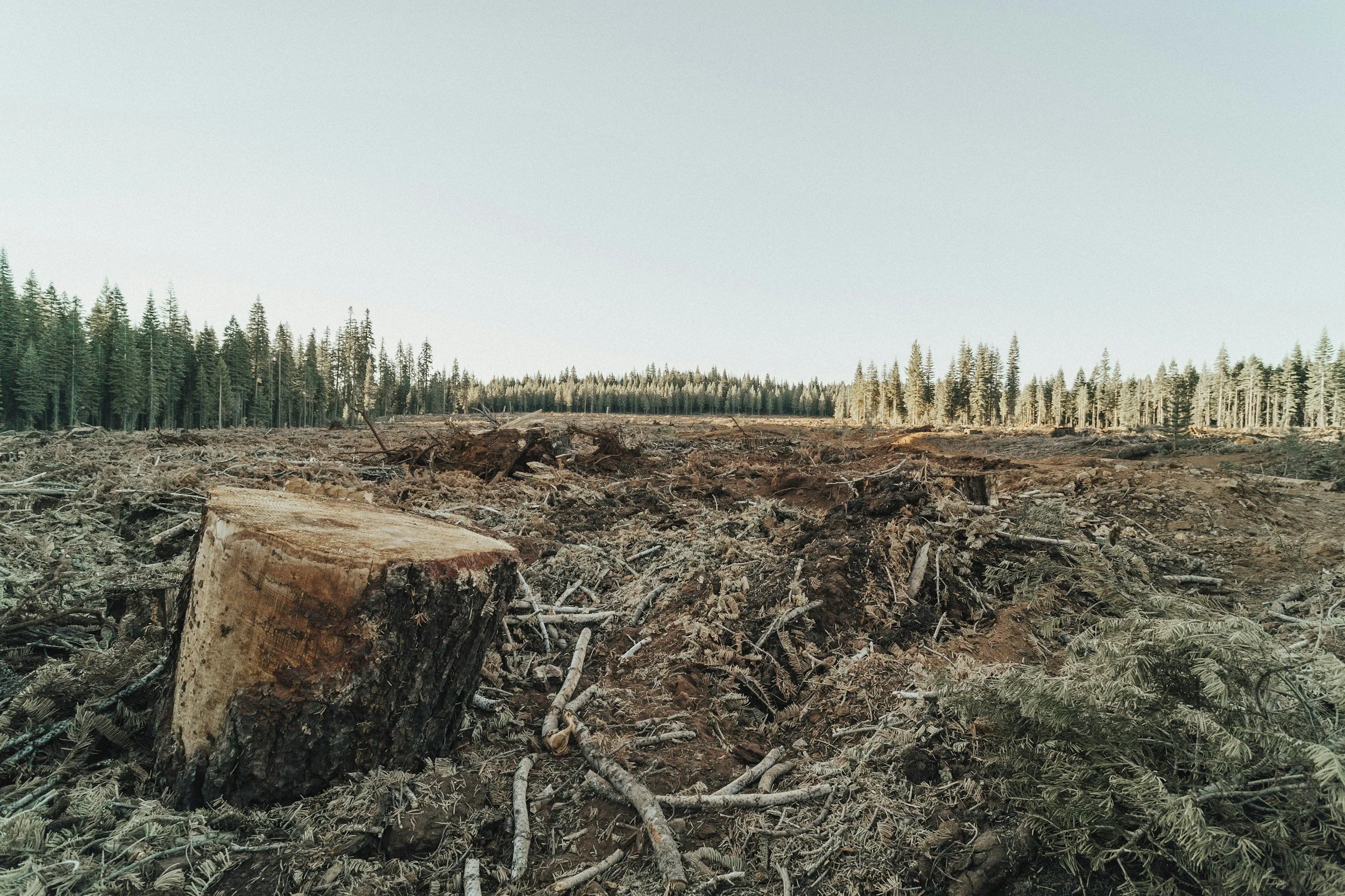
“This drives deforestation, particularly in the Amazon basin, where forests are cleared not to feed people directly but to produce soy for livestock. This causes biodiversity collapse, carbon release and the destruction of Indigenous land stewardship.”
If we redirected even a fraction of feed crops to direct human consumption we could dramatically increase global calorie availability. Shifting away from feed-based livestock systems could feed hundreds of millions more people without expanding farmland. So, the current global hunger problem is not caused by scarcity, but by (mostly Western) political and economic priorities.
The Burden on Developing Economies
In many lower-income countries, land is increasingly devoted to monocultures of soy or maize for export, often under pressure from international markets and trade agreements. These crops do not feed the local populations and they degrade soil, drain water resources and leave communities dependent on imported food. So, while animal agriculture presents itself as a neutral dietary choice, it actually reinforces global inequality.
Industrial grain production for animal feed relies heavily on chemical fertilisers, pesticides, irrigation and fossil fuels. In developing economies, this often results in long-term environmental damage that undermines food sovereignty. Farmers face rising input costs, exposure to toxic chemicals and increasing debt while profits are concentrated upstream in multinational agribusinesses.
The physical toll on agricultural workers is significant. Pesticide exposure is associated with respiratory illness, neurological damage and increased cancer risk. These costs are rarely reflected in the price of meat and dairy but are paid in human health and environmental degradation.
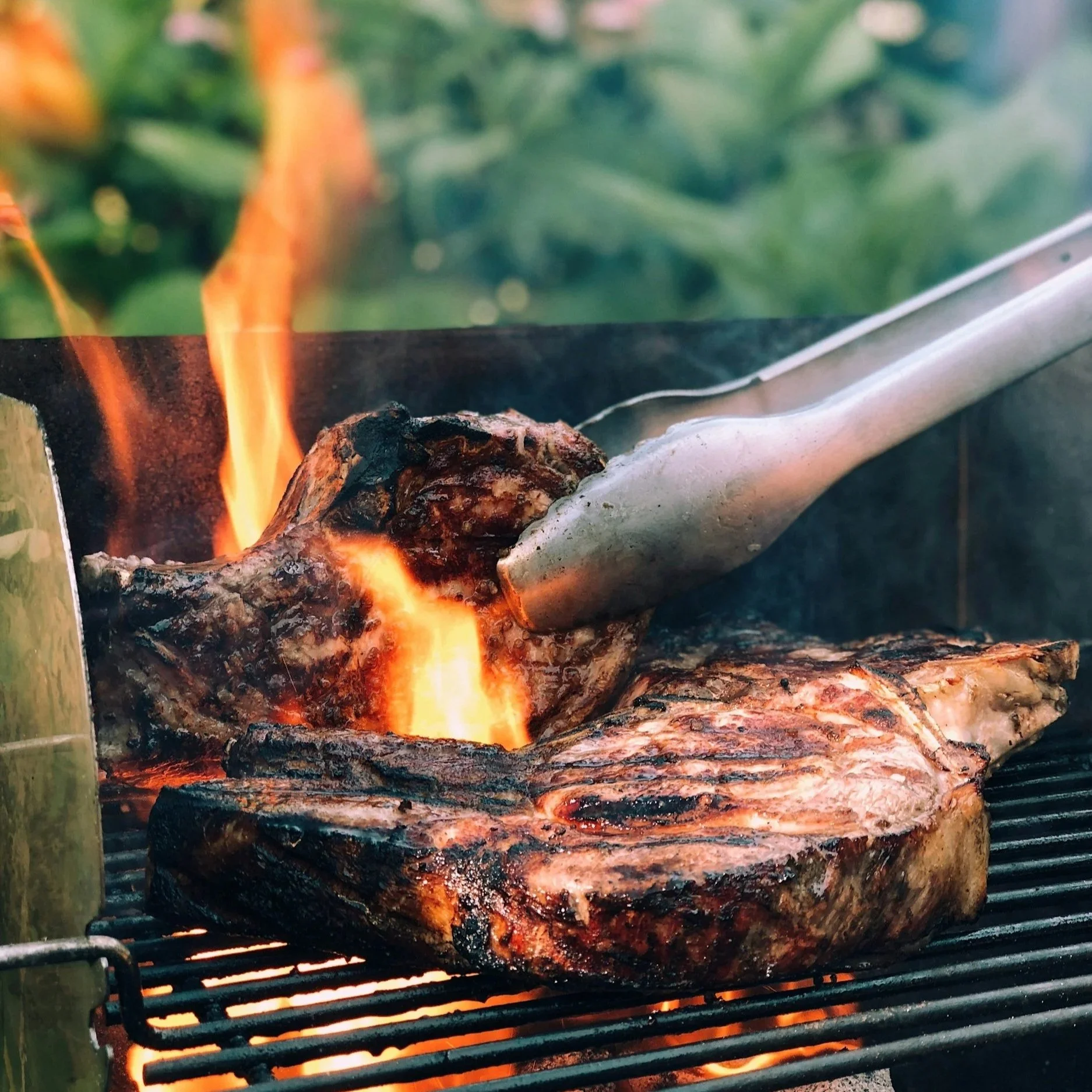
“Globally, the leading causes of death are heart disease, stroke, type 2 diabetes and certain cancers and diet is a major risk factor for all of them.”
Diet & the Leading Causes of Death
Globally, the leading causes of death are heart disease, stroke, type 2 diabetes and certain cancers and diet is a major risk factor for all of them. Large epidemiological studies consistently associate high consumption of red and processed meat with increased risk of cardiovascular disease, colorectal cancer and premature mortality.
Research by the World Health Organisation, based on decades of population-level data (not just individual studies), has classified processed meat as a Group 1 carcinogen, meaning there is “strong evidence” that it causes cancer. Red meat has been classified as “probably carcinogenic”.
By contrast, diets centred on whole plant foods are associated with lower cholesterol, reduced blood pressure, improved insulin sensitivity, lower levels of systemic inflammation and longer life expectancy. Populations with the highest longevity (such as those in Blue Zones) tend to consume little meat and minimal dairy, relying instead on legumes, whole grains and vegetables.
Antibiotics, Chemicals & Food Safety
Modern animal agriculture is heavily dependent on antibiotics. Globally, the majority of antibiotics produced are administered to livestock, often not to treat illness but to prevent disease in overcrowded conditions and to promote faster growth. This practice accelerates the development of antibiotic-resistant bacteria, which poses a serious threat to human medicine.Pesticides used on animal feed crops accumulate in animal fat, in a process known as bioaccumulation. Because many of these chemicals are fat-soluble, they become more concentrated as they move up the food chain. Consumers of meat and dairy therefore are exposed to higher levels of certain contaminants than those eating plant foods directly.
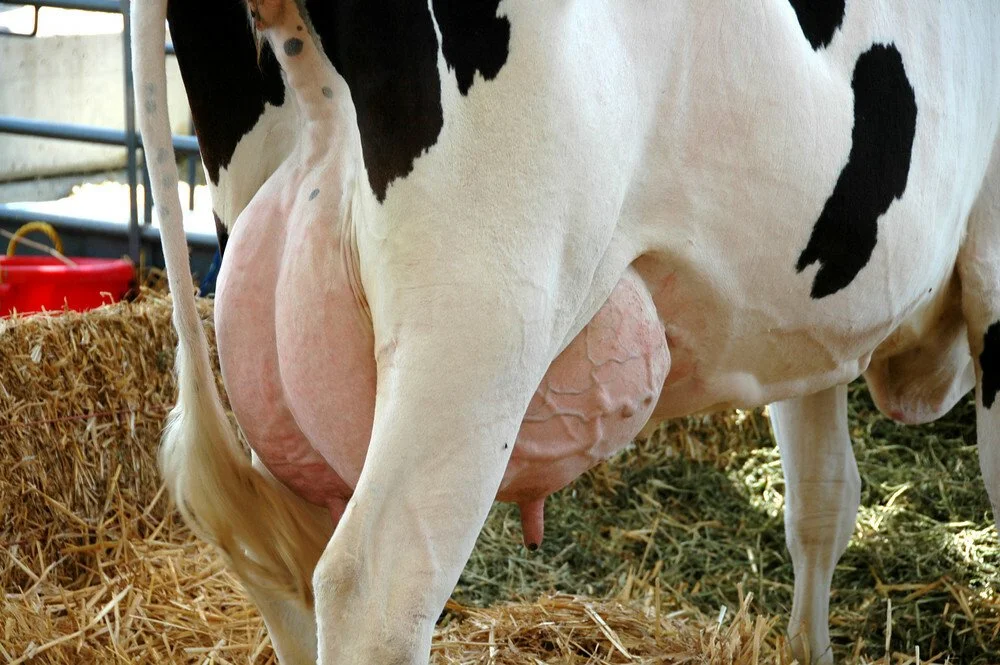
“The reality is that store-bought milk will contain pus cells, caused by mastitis, a painful inflammatory infection of the udder. Cows suffer mastitis because of being repeatedly impregnated, to ensure milk production.”
In the USA, the FDA has approved the use of synthetic growth hormones in animals, in dairy cows (rBST) and extensively in beef cattle (various hormone implants), to increase milk and meat production, despite concerns about endocrine disruption and the long-term health impacts. These hormones are banned in the EU and many other countries, indicating the known concerns for human health.
Milk Production & Animal Health
In the capitalist system of ‘greed over care’, industrial dairy farming practices put extreme stress and suffering on cows’ bodies. To maintain milk production, cows are repeatedly impregnated and, as a consequence, mastitis, a painful inflammatory infection of the udder, is widespread. Milk naturally contains somatic cells, including white blood cells, but these pus cells increase when there is infection.
Regulatory agencies set legal limits for somatic cell counts, but the reality is that store-bought milk will contain pus cells. While legally permitted, this reality underscores the health issues inherent, and the physical toll on the cows themselves, with high-yield dairy systems.
Animal Suffering as a Structural Outcome
Over 90% of farmed animals globally are raised in industrial systems, designed to maximise output, without concern for the animals’ wellbeing. Confinement, crowding and routine mutilations are common. Common practices include extreme confinement (battery cages, gestation crates), mutilations without anaesthesia (debeaking, tail docking, castration) and separation of mothers and offspring. Day old male chicks are killed because they are considered useless for the industry because they cannot lay eggs and are not efficient for meat production. The main methods used to kill the chicks are ‘maceration’, where the chicks are dropped into a high-speed grinder, or gassed, where the chicks are placed in a sealed container and suffocated. Maceration is illegal in Germany and France.
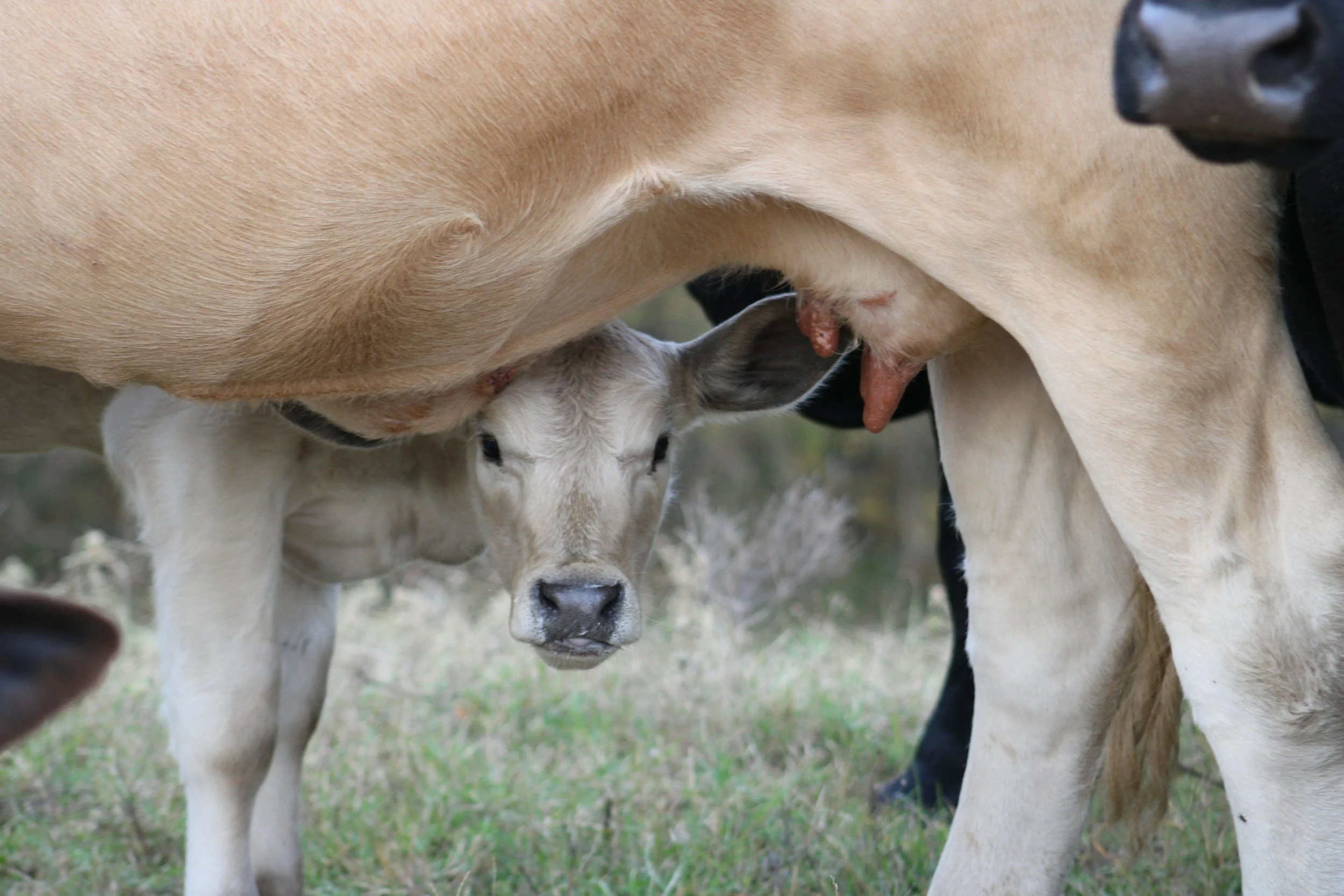
“ After separation, mother cows frequently vocalise loudly and persistently, bellowing, searching and calling for their missing calves for hours or even days.”
Animals are sentient beings that experience fear, pain, joy and bonding, denied the ability to express basic behaviours and are bred for rapid growth that often causes chronic pain.
The dairy industry is often perceived as less harmful than meat production, yet it involves prolonged exploitation. Dairy cows endure repeated pregnancies, separation from their calves shortly after giving birth and chronic health issues before being slaughtered once their productivity declines. Cows form strong maternal bonds with their calves soon after birth. In natural conditions, the bond would last many months, but in modern dairy systems calves are often removed within hours or days of birth so the milk can be used for human consumption. This abrupt separation is stressful for both animals. After separation, mother cows frequently vocalise loudly and persistently, bellowing, searching and calling for their missing calves for hours or even days. These vocalisations are interpreted as distress calls and attempts to locate their young. Both cows and calves often exhibit behavioural signs of distress, such as pacing, anxiety, lowered feeding and restlessness after separation.
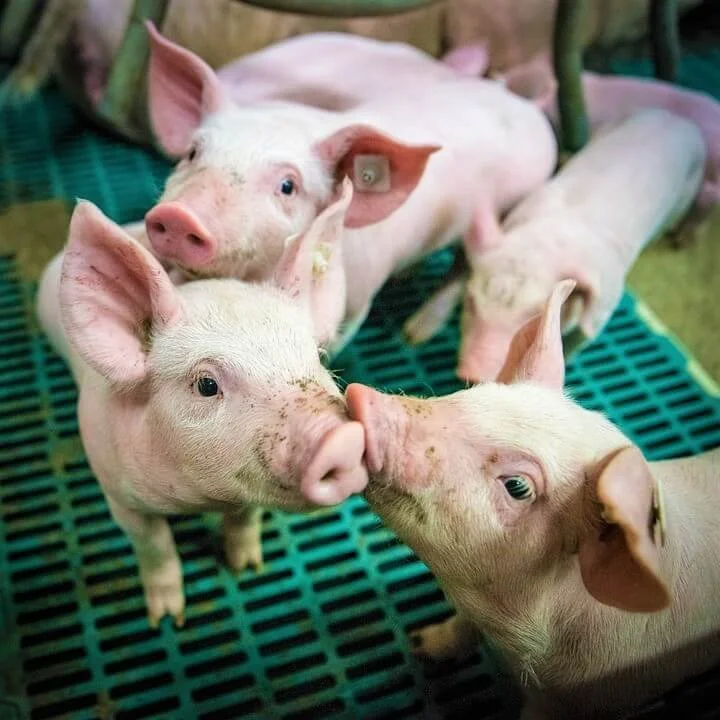
“Research has identified intense emotional dissonance among slaughterhouse employees, particularly those directly involved in killing animals, linked to burnout, moral conflict and what is increasingly described as ‘moral injury’, a concept originally developed to understand trauma among combat veterans.”
From an environmental perspective, beef is the most damaging animal product, with dairy close behind due to methane emissions and land use. Ethically, dairy is not a gentler alternative but an extension of the same system. And from a health perspective, both contribute significantly to saturated fat intake and chronic disease risk.
The Hidden Trauma of Abattoir Work
The harms of animal agriculture extend beyond animals, developing-world economies and ecosystems. Research also proves severe psychological and social impacts on abattoir and meat-processing workers. In a widely cited study, Fitzgerald, Kalof and Dietz published in Organization & Environment (2009), found that counties with slaughterhouses experienced significantly higher rates of violent crime, including assault and sexual offences, compared with counties hosting other types of manufacturing. They describe a “spillover” effect of violence into the surrounding communities caused by routinised killing that normalises violence.
Other research, by Dillard, writing in the Journal of Agricultural and Environmental Ethics (2008), found slaughterhouse work to produce emotional numbing, dissociation and symptoms consistent with post-traumatic stress disorder among workers, many of whom are migrants or economically vulnerable. Workers often cope by suppressing empathy, a strategy that can have long-term psychological consequences.
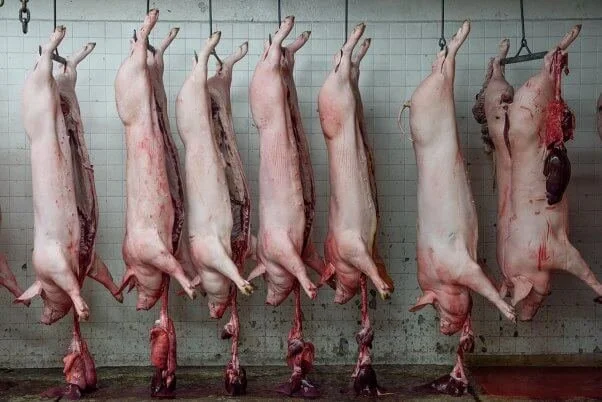
“The framework of Perpetration-Induced Traumatic Stress (PITS) has also been applied to slaughterhouse workers, describing trauma that arises from committing acts that violate deeply held moral beliefs, even when those acts are socially sanctioned.”
Baran, Rogelberg and Clausen, in a study published in the Journal of Managerial Psychology (2016), identified intense emotional dissonance among slaughterhouse employees, particularly those directly involved in killing animals. The researchers linked this dissonance to burnout, moral conflict and what is increasingly described as “moral injury”, a concept originally developed to understand trauma among combat veterans.
The framework of Perpetration-Induced Traumatic Stress (PITS) has also been applied to slaughterhouse workers, describing trauma that arises not from witnessing violence but from committing acts that violate deeply held moral beliefs, even when those acts are socially sanctioned.
These harms are rarely acknowledged in discussions of food prices, yet they are integral to the system that produces cheap meat.
Is Veganism Possible?
Firstly, let’s look at veganism from a nutritional perspective. Major dietetic associations agree that well-planned plant-based diets are suitable for all stages of life. Protein, iron, calcium and essential fats are readily available from plant foods, with vitamin B12 readily available in supplement form or fortified in cereals, or yeast-extract spreads, such as Marmite.
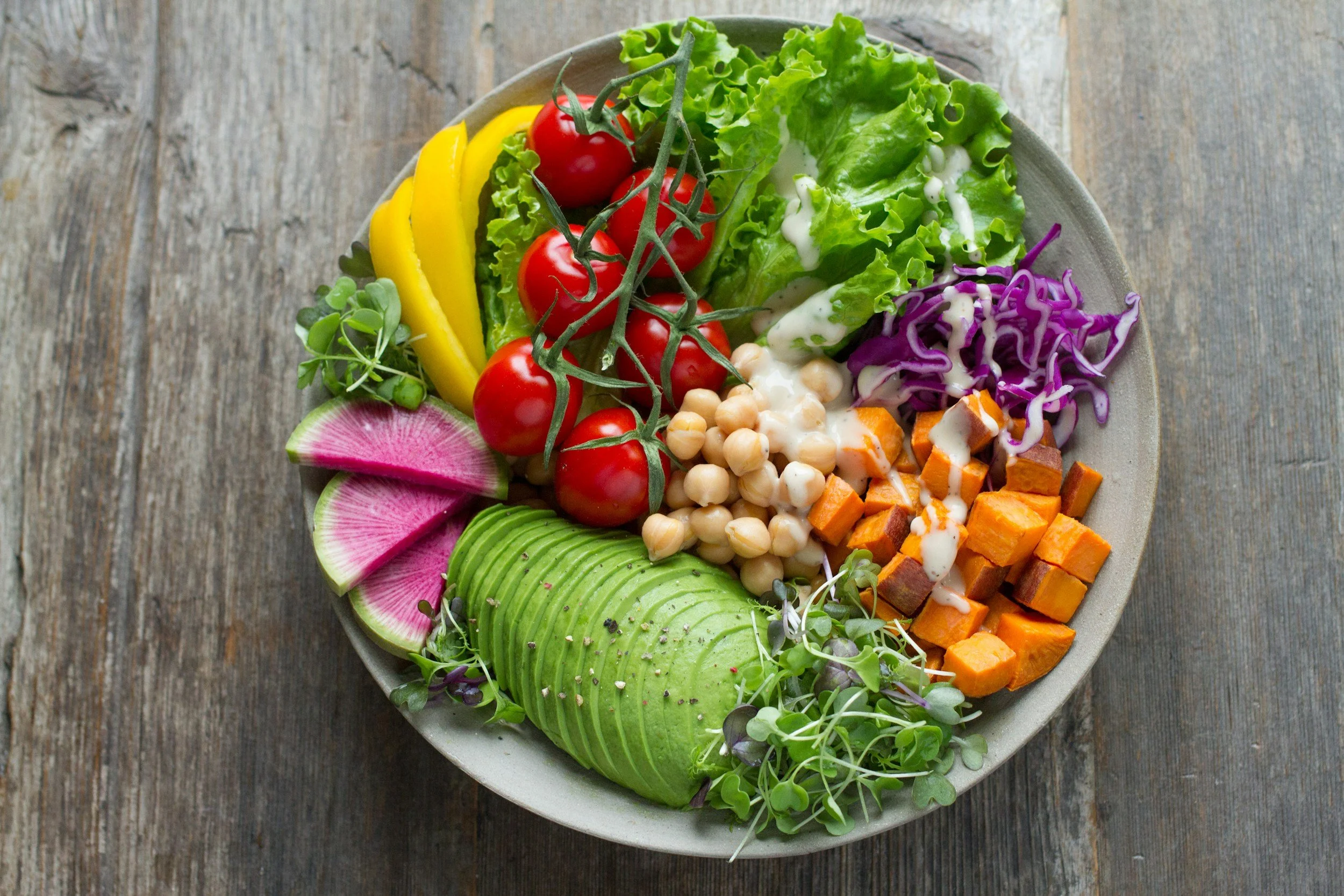
“Many experience improved digestion, increased energy and reductions in cholesterol and blood pressur, a psychological shift, a sense of alignment between values and actions and a feeling of participating in a solution rather than
contributing to harm.”
So, if we went vegan for a month, what good is that? If an average adult were to give up meat and animal products for a month, the personal effects would be noticeable. Many experience improved digestion, increased energy and reductions in cholesterol and blood pressure. Many also report a psychological shift, a sense of alignment between values and actions and a feeling of participating in a solution rather than contributing to harm. Financially, many find that diets based on legumes, grains and vegetables are cheaper than meat- and dairy-based diets.
Dozens of animals would be spared direct consumption and reduced demand would ripple through supply chains, causing a reduction in greenhouse gas emissions and water use even over a short period.
Over 25 million people went vegan for January last year, meaning that the individual impact was multiplied millions of times over, promoting awareness about the agri-industry generally and supporting veganism more and more as a mainstream lifestyle.
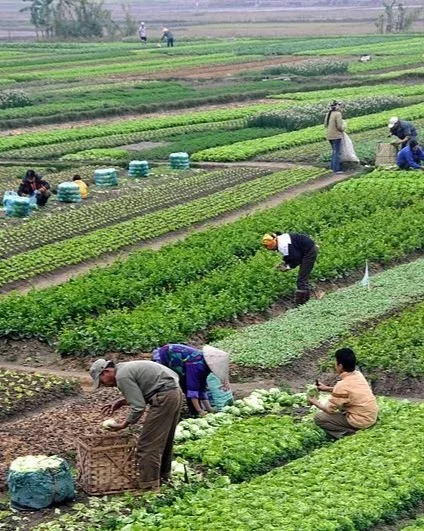
“Sustainable agriculture is a science-minded approach to farming, predicated on an awareness of agriculture’s place in the local ecosystem. Moreover, sustainable farmers take a mindful approach to their work, attempting to encourage biodiversity, maintain soil fertility, protect water sources and prevent erosion.”
Photo from the Borgen Project.
Sustainable agriculture is a more progressive way forward, as an alternative to the current food system. Sustainable agriculture is a science-minded approach to farming, predicated on an awareness of agriculture’s place in the local ecosystem. Moreover, sustainable farmers take a mindful approach to their work, attempting to encourage biodiversity, maintain soil fertility, protect water sources and prevent erosion.
Raising awareness about the current food system being environmentally unsustainable, ethically troubling and medically counterproductive, is something that we can do this January. Please feel free to share this blog.
Every meal shapes demand. When multiplied across populations, small choices become powerful forces. We do not need everyone to change everything but we need enough people to change something.
Happy eating!!